

Kick The Tick
Safe, Easy, Effective
Tick Removal Kit
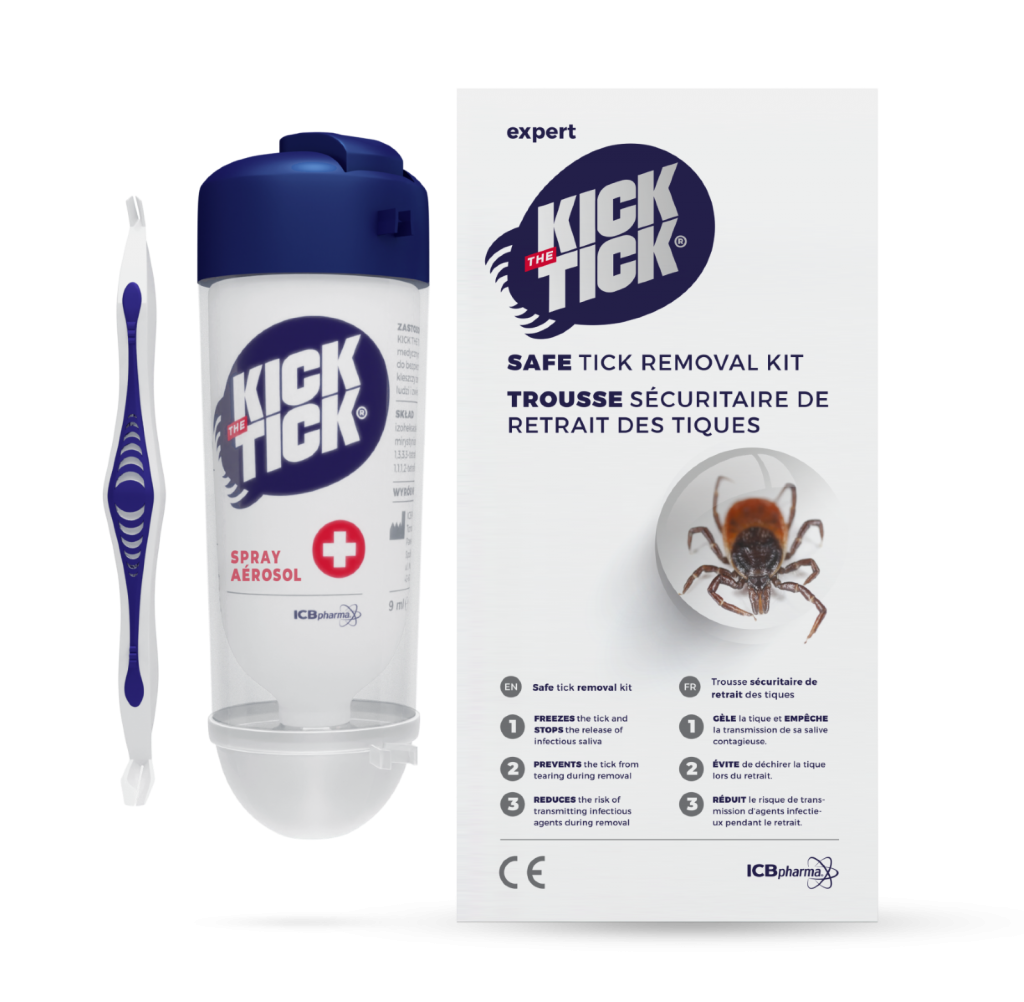
Available at Major Pharmacies and Retailers



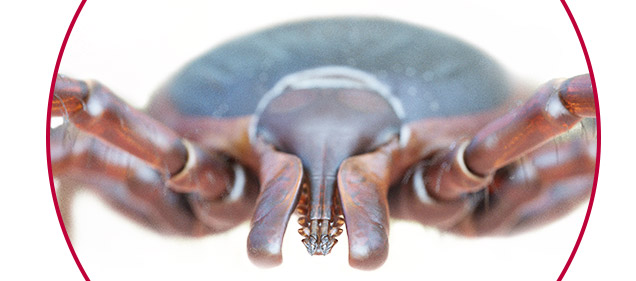
Don’t panic about ticks, learn about safe removal
Ticks are parasitic arachnids commonly found in wooded and grassy areas. They pose a serious health risk by transmitting diseases such as Lyme disease.
The tick bite, in contrast to mosquito bites, is not felt and the arachnid that is attached to the skin is usually find by accident – for example during bathing.
Immediately after clinging to the skin, the tick can start transmitting pathogens, therefore it is crucial to find it and remove it quickly.
To reduce the risk of infection, ticks should be removed as soon as possible.
Ticks attach to humans through contact with wooded, grassy, or brush-covered areas. They crawl onto skin or clothing during outdoor activities or may be carried indoors by pets. Because tick bites are painless, attachment often goes unnoticed.



Protect yourself with Kick the Tick Expert

Minimize the risk of tick-borne disease
Indicated to freeze and remove ticks attached to the skin
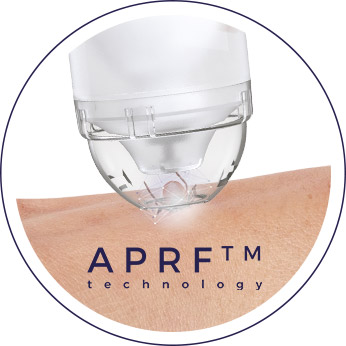
APRF™ (Anti-Parasite Removal Film) patent protected technology prevents tick’s body from tearing during the procedure
Tick remover specially designed to the tick’s shape and size
Does not cause any burning sensation, and it is safe for kids from 3 years of age
An economical packaging, enough to remove up to 40 ticks
Enables the application from any angle
Benefits of this Product
Freezes and inhibits the transmission of tick’s contagious saliva
Prevents from tearing of the ticks body during the removing process
Reduces the risk of transferring infectious agents during tick removal procedure
Removing a Tick
Tick Freezing
APRF™ (Anti-Parasite Removal Film) technology creates long-lasting film, which prevents from tearing the tick during the removal procedure and lowers the risk of contact with tick’s infectious body fluids.
The product causes freezing of the tick and inhibits its saliva transmission.
Tick Removing
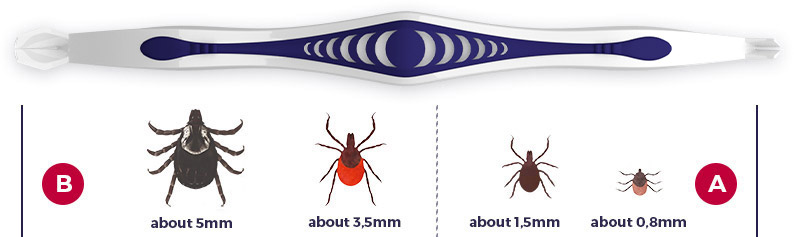
The kit includes Tick Remover which helps to remove the tick fast and in a safe way. Additionally, it reduces the risk of transferring the infectious agents during the tick removal procedure.
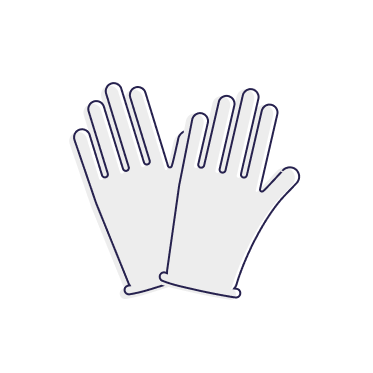
To minimize contact with tick body fluids, all tick removal procedures should be performed while wearing gloves.

Do not treat the tick with products such as gasoline, paraffin oil, petroleum jelly, peppermint oil, or nail polish remover, as suffocating the tick may cause it to release infectious saliva into the host.
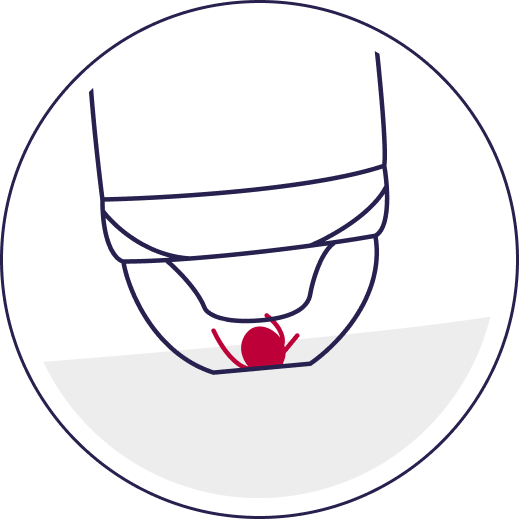
STEP 1 – Freezing
The tick should be frozen using the applicator. The number of doses required depends on the size of the tick: one dose is sufficient for nymphs and larvae, while two doses are recommended for adult ticks.
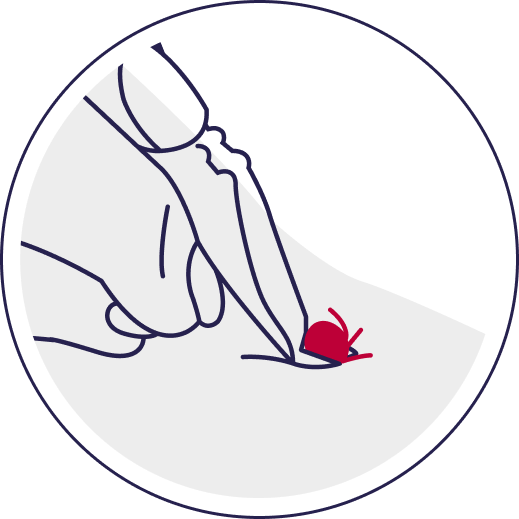
STEP 2 – Removing
Choose the appropriate Tick Remover tip based on the tick’s size (A or B). Securely engage the tick by placing the Tick Remover as close to the skin as possible and gripping the tick firmly.

STEP 3 – Disinfection
Check that no parts of the tick remain in the skin. Disinfect the affected area. Dispose of the removed tick properly, or place it in a test tube if further diagnostic testing is required.
Remember to monitor the bite site for several weeks after removal. Local or general inflammation may indicate the transmission of pathogens. If you experience fever, feel unwell, or notice a skin rash such as erythema migrans, this may be a sign of Lyme disease. Contact a physician or pharmacist immediately.

Stay safe with trusted tick removal protection.
No pesticides. Product has been tested in toxicological and dermatological tests.